Fathers and Children

Psalm 103:1 Bless the Lord, O my soul, and all that is within me, bless his holy name! Bless the Lord, O my soul, and forget not all his benefits, who forgives all your iniquity, who heals all your diseases, who redeems your life from the pit, who crowns you with steadfast love and mercy,
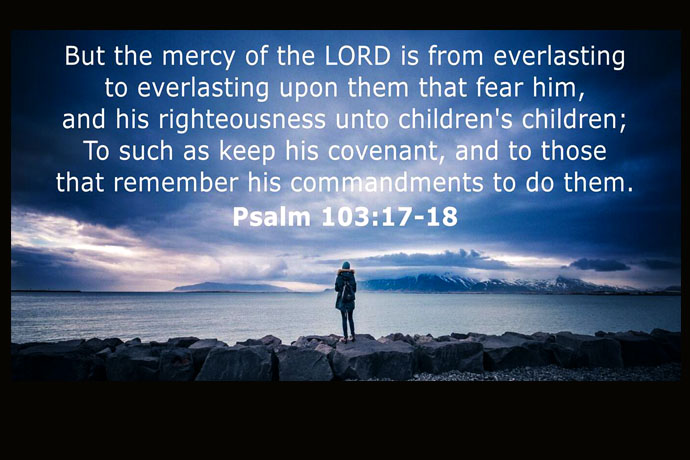
v17 But the mercy of the LORD is from everlasting to everlasting On those who fear Him,
And His righteousness to children’s children, To such as keep His covenant, And to those who remember His commandments to do them. The LORD has established His throne in heaven, And His kingdom rules over all.
Today in America, and about fifty other countries of the world, we celebrate Father’s Day. “As a father shows compassion to his children, so the Lord shows compassion to those who fear him. For he knows our frame; he remembers that we are dust.”
Good Fathering Points to God
When you see a good father, you are seeing a picture of God. God designed human fatherhood to be a portrait of himself. God had a Son before he created Adam. He was God the Father before he was God the Creator. He knew what he wanted to portray before he created the portrayal.
Fathers are to show Children what God is like
A clear implication for all fathers is that we were designed to display the fatherhood of God, especially, but not only to our children.
God created fatherhood in his own image, and good fathering points to God.
Fathers need to realize that they won’t always be around, and their children won’t always be around. Verse 17 refers to the “children’s children.” And the question a father should ask is:
How can my children benefit forever from the love of God? How can they become the beneficiaries of God’s righteousness rather than condemned by it?
The steadfast love of God and the righteousness of God will follow our children from generation to generation if three things happen.
1) if they fear him (v. 17);
2) if they keep his covenant (v. 18);
and 3) if they do his commandments (v. 18).
If They Fear God
“The steadfast love of the Lord is from everlasting to everlasting on those who fear him.” Fearing God means that God is so powerful and so holy and so awesome to us that we would not dare to run away from him, but only run to him for all that he promises to be for us.
Fearing God is not different from coming to the Messiah, Jesus. It’s the way we come. We come reverently. We come humbly. We come without presumption that God owes us anything. We come trembling—as we saw last time, we come broken and contrite.
If They Enter God’s Covenant
What does keeping the covenant of God mean today? Things have changed since the Messiah has come. At the Last Supper, Jesus lifted up the cup representing his own blood and said, “This cup that is poured out for you is the new covenant in my blood” (Luke 22:20).
There is now a new covenant between God and his people. It’s just as binding as the old one was. What the new covenant provides from God’s side is the blood of Christ to cover our sins and the power of the Spirit to enable us to walk in newness of life. What the new covenant requires from us is that we be united to Christ by the new birth and that we receive Christ as our Savior and Lord and the treasure of our lives. In that way Christ’s blood and righteousness count for us.
Our children must be brought to receive Christ as the supremely valuable Savior and Lord of their lives.
Real Faith in the Redeemer
And the third requirement David mentions for our children to experience God’s righteousness as saving, not condemning, is in verse 18: “to those who remember to do his commandments.”
What this means is that faith in the redeemer must be real. Real trust in Christ, real submission to his rule, real treasuring of his worth changes our lives. So the requirement of obedience in verse 18 is simply the requirement that our fear of God and our trust in Christ be real, effective, fruitful.
It’s Christ, and his blood and righteousness, that forgives and justifies us. But our obedience, our righteousness, imperfect as it is, shows that God has saved us, that our faith is real. We are truly covenant keepers. We hold fast to our treasured substitute, Jesus Christ.
We must teach them about entering and keeping the covenant
And Reuben answered them, saying, Spake I not unto you, saying, Do not sin against the child; and ye would not hear? therefore, behold, also his blood is required.”Genesis 42:22
According to the story of Joseph, there are three ways of sinning against the child. The first was contained in the proposition of the envious brothers, “Let us slay him, … and we shall see what will become of his dreams.” “Shed no blood,” said Reuben, who had reasons of his own for wishing to save Joseph’s life.
When we see the number of juvenile criminals, we cannot help asking, “Who slew all these?” and it is sad to have for an answer, “These are mostly the victims of their parents’ sin,”
The fiercest beasts of prey will not destroy their own young, but sin makes men unnatural, so that they destroy their offspring’s souls without thought.
Those who instruct a youth in the vices of the world is a despicable wretch, they are workers of the devil
We are not to teach them error. Do not thus ruin your child’s immortal soul; if you are yourself resolved to perish, do not drag your child downward too.
We can sin against them in a second way,
Reuben said, “Cast him into this pit that is in the wilderness, and lay no hand upon him.”
Many have this idea, just leave them alone as children, and then try to help them when they are older. Do not kill him, but leave him alone until he is older. Do not kill him, that would be wicked murder; but leave him in the wilderness till a more convenient season. Just leave him alone until he is older, don’t teach him about Jesus as a child, teach him about LBGTY
Then, like Reuben, you hope to come to his rescue. Many professing Christians ignore the children, we will look after him when he is a man. He is in the pit now, but we are in hopes of getting him out afterwards.
That is the common notion, that the children are to grow up unconverted, and that they are to be saved in after life. They are to be left in the pit now, and to be drawn out by-and-by. That is an idea straight out of hell.
It was the complaint of Jeremiah, Lam 4:3 “Even the sea monsters draw out the breast, they give suck to their young ones: the daughter of my people is become cruel, like the ostriches in the wilderness.
Why should our Josephs remain in the pit of nature’s corruption?
There is yet a third way of sinning against the child,
They sold him, sold him to the Midianite merchants. They offered twenty pieces of silver for him, and his brothers readily handed him over for that reward.
It seems that many today are half inclined to do the same now. We have the free public schools that teach them what they need to know, if we are not careful we give them over to the Secularists. Because the children are to be taught the multiplication table, they will not need to be taught the fear of the Lord! Can geography teach them the way to heaven, or arithmetic remove their countless sins?
The more of secular knowledge our juveniles acquire, the more will they need to be taught in the fear of the Lord. To leave our youthful population in the hands of secular teachers will be to sell them to the Ishmaelites.
If we love the gospel we must not let the children slip through our hands into the power of those who would enslave their minds by superstitious dogmas. We sin against the child if we hand it over to teachers of error.
And the question for us is: Will they fear God, keep his covenant, and do his commandments? If they do, the steadfast love of God and the righteousness of God will bless them forever.
Leading Our Children by Blessing the Lord
What then is the one thing that this psalm stresses more than anything else that we fathers should do to lead our children to this condition of blessedness?
What should we all do? The answer is: Bless the Lord.
Verses 1–2: “Bless the Lord, O my soul, and all that is within me, bless his holy name! Bless the Lord, O
Praising the Lord
What does it mean to bless the Lord? It means to speak well of his greatness and goodness.
Jesus said, “This people honors me with their lips, but their heart is far from me” (Matthew 15:8). David knows that danger, and he is preaching to himself that it not happen.
Reasons for Blessing the Lord
God Is Sovereign.
First, let your children hear you bless the Lord for his sovereignty. Verse 19: “The Lord has established his throne in the heavens, and his kingdom rules over all.God Is Righteous.
Second, let your children hear you bless the Lord for his justice and righteousness. Verse 6: “The Lord works righteousness and justice for all who are oppressed.” Let them hear you exult in the righteous advocacy of God for the oppressed. Say at the dinner table and in devotions in the morning or in the night: We bless you, O God, for your justice and your righteousness. We bless you that though the wrong seem oft so strong, you are the ruler yet. We bless you that justice will be done in this age or the next. Bless the Lord.
God Is Merciful.
Finally, let your children hear you bless the Lord for his mercy and his forgiveness. If this psalm celebrates anything clearly, it is the immeasurable mercy of God not to hold our sins against us. This is the gospel. We know that it is all owing to Christ. Sweeter words have hardly been penned than these.
Verse 3: “Bless the Lord who forgives all your iniquity.” Verses 10–12: Bless the Lord for “he does not deal with us according to our sins, nor repay us according to our iniquities.